How it works
- Overview
SABIS is a complete education system rather than a national curriculum. It combines its own sequential curriculum, teaching methods, academic monitoring, technology and student-life model. Students can also prepare for external British and American qualifications.
- How it works
Students progress from Kindergarten through Grade 12 using a centrally designed SABIS curriculum. Learning is broken into clearly defined concepts and regularly assessed. Schools use the SABIS Point System and frequent testing to identify gaps and provide support.
- School stages
Kindergarten; Lower School; Middle School; High School
- Primary stage
Strong emphasis on English, mathematics, Arabic and foundational knowledge, with regular assessment and sequential progression.
- Middle stage
Integrated, structured subject study designed to build mastery of core knowledge and prepare students for higher-level secondary work.
- Secondary stage
Students follow the SABIS curriculum while preparing for external options such as IGCSE, O Level, AS/A Level, AP and other internationally recognized examinations depending on school and pathway.
- Main subjects
English; Mathematics; Arabic; Science; Social Studies; World Languages; Computing; Art; Music; Physical Education; Business / Economics; other subjects
Teaching and exams
- Teaching style
Highly structured and mastery-oriented. Lessons use the SABIS Point System, frequent checking for understanding and systematic academic monitoring.
- Student workload
Moderate to high, with frequent testing and structured study expectations.
- Homework style
Regular practice, assignments, revision and preparation for frequent assessments; external-exam students also complete exam-focused study.
- Assessment style
Very frequent internal assessment used to monitor mastery and identify gaps, supplemented by external qualifications where students choose those pathways.
- Final exams
SABIS uses internal examinations throughout the programme. Students may also sit external IGCSE, A Level, AP and other examinations depending on their chosen university pathway.
- Grading system
Internal SABIS marks are school/system based; external qualifications use their own grading scales. There is no single universal SABIS final grading scale comparable to IB points.
University and recognition
- University entrance qualification
Depends on the student’s final qualification package and destination. SABIS schools provide college preparation and students may use external British/American qualifications as required.
- Recognition in Egypt
SABIS schools operate in Egypt. For university entry, recognition depends on the student’s actual final diploma/external qualification and the current Egyptian equivalency rules.
- Egyptian university requirements
Parents should map the student’s external qualification route to the current Egyptian admission rules early in secondary school; requirements differ for British-style and American-style qualification packages.
- International recognition
The SABIS school network is international, while university recognition ultimately depends on the specific diploma and external qualifications earned by the student.
Is it right for your child?
- Best suited for
Students who respond well to structure, frequent assessment, clear academic expectations and systematic progress monitoring.
- Advantages
Highly structured progression; frequent identification of learning gaps; strong emphasis on mathematics, English and science; multiple external-exam pathways.
- Things to consider
The system can feel intensive because of frequent testing and structured expectations. Families should focus on the actual external qualification route the student will use for university.
- Main cities in Egypt
New Cairo; 6th of October
- Schools offering this system
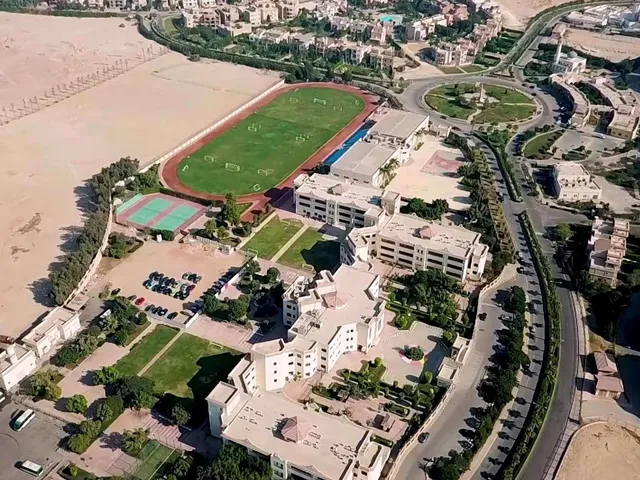
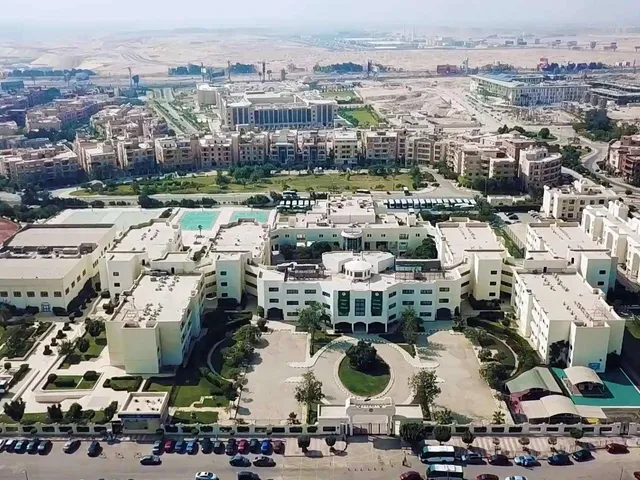
The International School of Choueifat – Cairo; The International School of Choueifat – City of 6 October.